
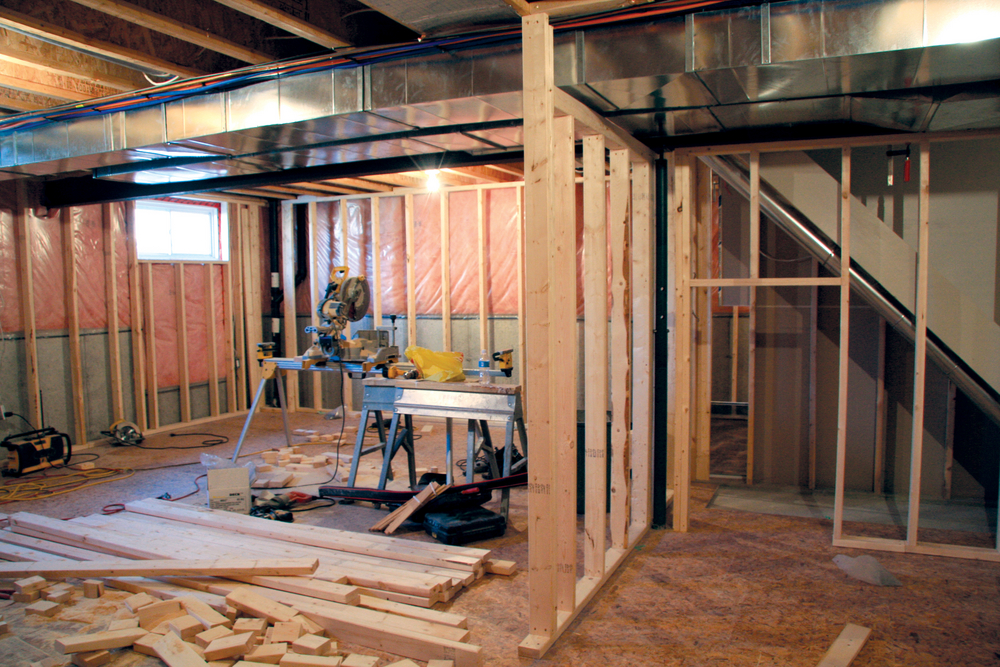
Basement moisture problems can be a serious concern when planning a renovation. If left untreated, excess moisture can lead to mold growth, structural damage, and poor indoor air quality. Addressing these issues before beginning any renovation work is crucial to ensuring a safe and healthy living space. Here’s how to tackle basement moisture problems effectively.
Identify the Source of Moisture
The first step in dealing with basement moisture is identifying where it’s coming from. Common sources include leaks in the foundation, poor drainage around the property, and condensation from high humidity. Inspect the exterior of your home for any cracks in the foundation or issues with gutters and downspouts. Inside, look for signs of water pooling, damp walls, or musty odors.
Seal Cracks and Gaps
Once you’ve located the source of moisture, seal any cracks or gaps in the foundation using waterproof sealant or masonry repair products. This will help prevent water from seeping into the basement. Pay close attention to areas around windows, doors, and pipes, as these are common entry points for water.
Install a Dehumidifier
A dehumidifier is an excellent tool for reducing humidity levels in your basement. It will help keep the space dry, preventing mold growth and mildew. Ensure the dehumidifier is appropriately sized for the room and empty it regularly.
Consider Waterproofing Solutions
If your moisture problem is severe, you may need to invest in professional waterproofing services. These can include exterior drainage systems, sump pumps, or installing a vapor barrier. Waterproofing ensures your basement remains dry and protected for years to come.
Handling moisture issues before a basement renovation isn’t optional—it’s essential. By identifying the source, sealing entry points, managing humidity, and considering professional waterproofing, you create a dry, stable environment that supports a lasting, healthy remodel. Get the moisture under control first, and your renovation will stand the test of time.